Angh: Nagaland's Oscar hopeful asks if you can follow Christ and keep your culture
What to know
- Angh is a 103-minute Konyak-language film by Nagaland director Theja Rio. It is his first feature.
- It won the Platform Prize at the Toronto International Film Festival (TIFF) on 20 September 2026, the first Indian film to do so.
- The win makes it eligible for Best International Feature at the 2027 Oscars. It has not been nominated.
- There is no India release date yet.
Angh has just done something no Indian film had done before. Theja Rio's Konyak-language debut premiered at the Toronto International Film Festival on 15 September and won its Platform Prize five days later. Under the Academy's rules, that win makes it eligible to be considered for Best International Feature at the 2027 Oscars.
It is also a film about Christianity, though not the kind churches usually promote.
What is Angh about?
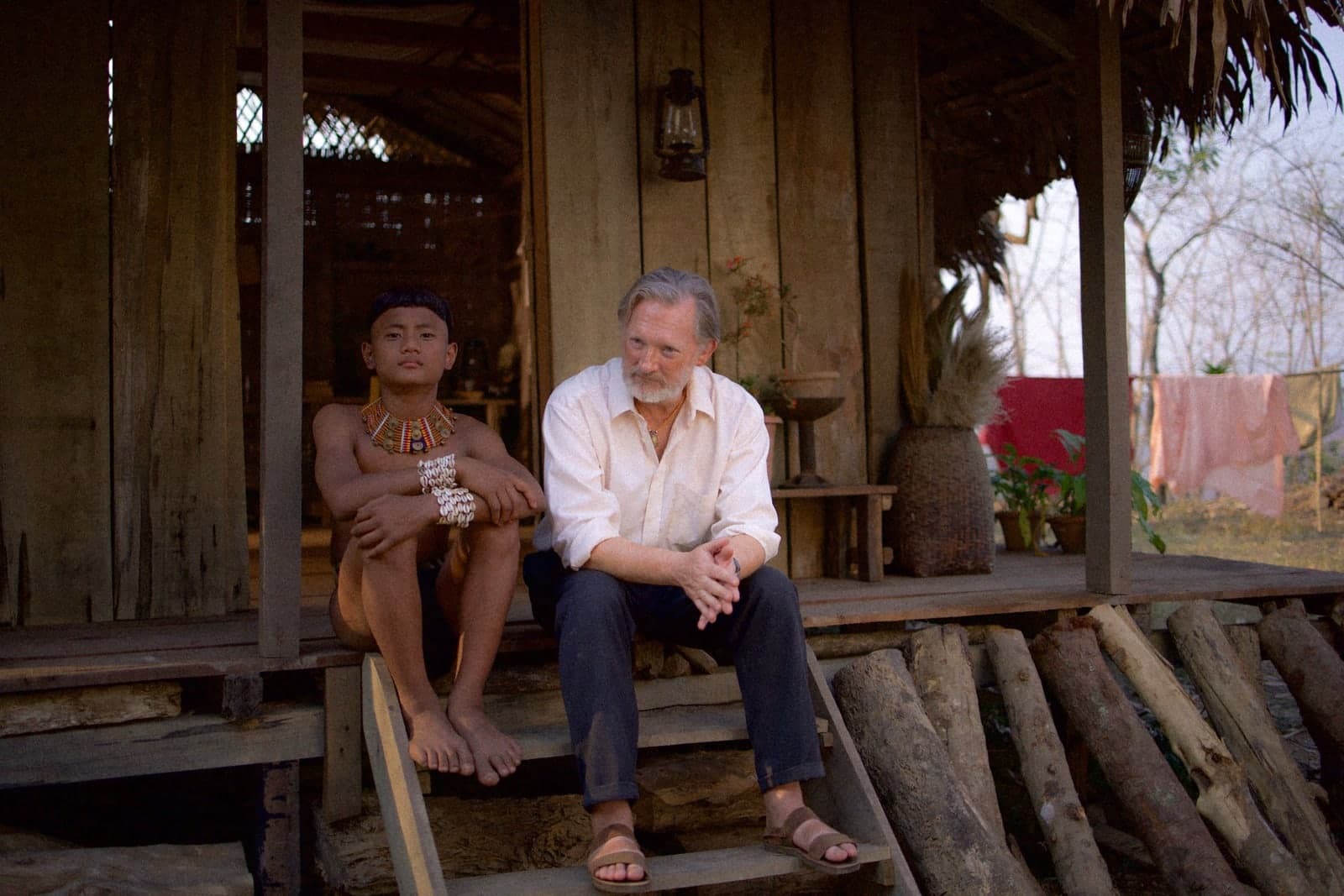
It is 1962, in a Konyak village near the Indo-Burma border. Anghba is the last chief of a village everyone else has left. He lives there with his ill wife and his son Amao, who does not speak, and the three of them are the last people keeping the old faith. He is a former headhunter. The villages around them are converting. Then a white missionary priest arrives, played by Scottish actor Douglas Henshall.
Around them a new world is arriving: a road, medicine, school, hymns. The film watches what that does to a father and his son.
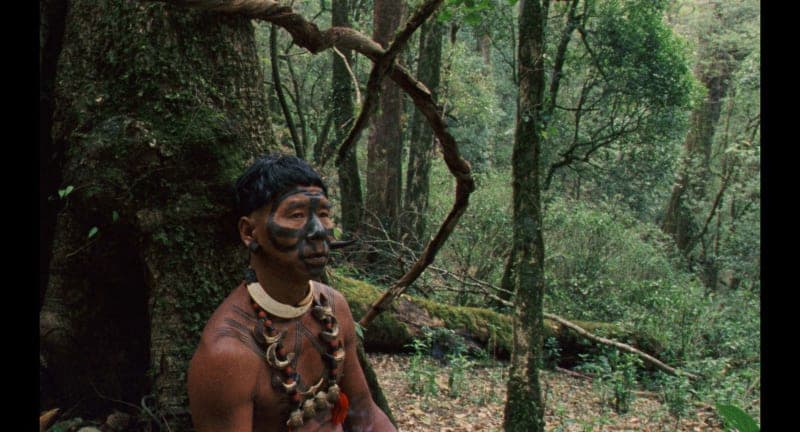
Rio shot it on 16mm in the jungles of Nagaland, in Konyak, a language fewer than 100,000 people speak. Most of the cast had never acted, and much of the crew had never worked on a film. The production calls it the first feature ever made in the state. "Angh felt like the only honest place to begin," Rio writes in the film's press notes. "I wanted to make a film that speaks from that silence, not as a historian."
Is Angh anti-Christian?
Not in the way the question is usually asked. Screen Daily reads it as an elegy for a community facing cultural erasure, and that grief runs through the reviews. But critics also say it refuses easy villains. The International Cinephile Society's review notes the missionary "is not presented simply as a villain," and that he brings medicine and education as well as a new faith. The Hollywood Reporter India puts it this way: "New worlds are opening up as old ones are being sealed shut."
So the film is critical of how the faith arrived, bundled with English, Western dress and a clean break from the village. It isn't an attack on Jesus. (We haven't seen Angh yet. This piece draws on the festival reviews, and we'll review the film itself when it reaches India.)
The history behind it
Nagaland is one of the most Christian places on earth. In the 2011 census, 87.93% of its people were Christian, most of them Baptist. The first Naga believers were baptised at Molungkimong in 1872, among the Ao, through the work of American Baptist missionary E. W. Clark.
The Konyak came much later. Christianity reached most Konyak villages from the late 1950s, often carried by Ao Naga evangelists rather than foreigners, and some border villages converted as late as the 1970s, according to researchers Mark Woodward and Lemwang Chuhwanglim. Converts were often told to leave the morung, the village men's house, along with traditional ceremonies and ornaments. Decades later, Konyak Christians have been bringing parts of that culture back, from a heritage complex in Mon to traditional motifs on the clothes they wear.
"The most Baptist state in the world"
Rio says it himself in the film's press notes, and it is the sentence a Christian reader should sit with:
"I come from Nagaland, a place that has changed more in a few decades than most do in a century. From once being headhunters to now the most Baptist state in the world, our transformation has been both remarkable and painful."
He calls the film a way of speaking "from that silence, not as a historian but as someone born from its aftermath," and says he wanted audiences "to understand that loss without judgment, and to feel the quiet dignity of a man watching his world disappear." The conflict he grew up around, he says, was "between faith and tradition, modernity and memory." That is not the language of someone attacking the church. It is the language of someone raised inside it, asking what the change cost.
The film's own press notes put the history more bluntly than we would: the once-feared headhunters became devout Christians, and their villages are now dotted with churches instead of skull houses.
The question for Christians
Angh raises something the early church had to settle too: does becoming a Christian mean taking on someone else's culture? In Acts 15 the apostles met in Jerusalem to decide whether Gentile believers had to live as Jews. James answered:
"That we trouble not them, which from among the Gentiles are turned to God."
The Bible's picture of the end isn't one culture either. John saw a crowd no one could count, drawn from every language on earth:
"A great multitude, which no man could number, of all nations, and kindreds, and people, and tongues, stood before the throne."
Every tongue, Konyak included. The gospel was never meant to arrive as a package deal with a necktie and an English hymnbook. Where it did, some things were lost that never needed to be. For young Indian Christians who still get asked whether they've "left" their culture, that isn't an old argument.
Rio put the week in one line of his own after the win: "I come from a small town in the North East of India where dreams don't often come true for my people."
Where can I watch Angh?
Not yet. Angh has only screened at festivals so far. Jungle Book Studios is handling distribution in India and abroad, and no release date has been announced. The Oscar shortlist for Best International Feature comes in December, with nominations in January 2027. We'll update this page when the film reaches India.
Sources: The Hollywood Reporter India, International Cinephile Society, Screen Daily, Bollywood Hungama, Christianity in Nagaland, Religion Unplugged

Premasis Satman
Founder and Executive Director of 5Talents Magazine, writing from Hyderabad. He has written the magazine's editorial column since the first issue in July 2012.