The biggest worship study in 88 years says 20,000 song leaders are needed by 2040. It also counted 10,800 people already preparing.
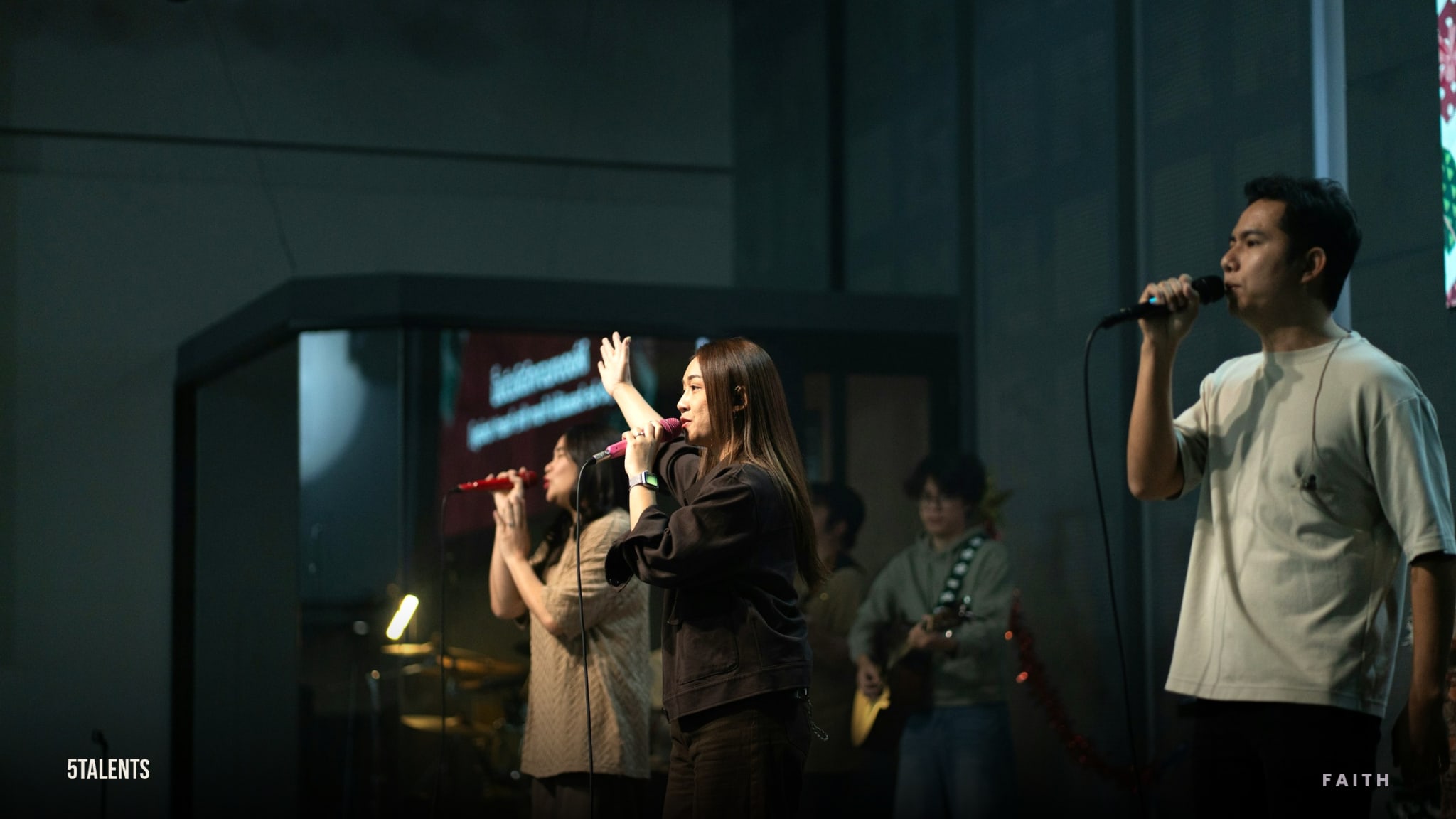
Southern Baptists last counted their singing in 1938. That survey reached 1,381 churches, asked twenty-four questions, and its authors believed it was the first study of one denomination's music ever attempted in America. Eighty-eight years later somebody has done it again, properly: 4,530 churches, forty-one questions, nearly a tenth of the whole convention, fielded over six weeks last spring.
The figure that has travelled from it is 20,000 — the worship leaders those churches will need by 2040, as the people currently doing the job reach sixty-five. The report is careful to say that estimate counts retirement only, and nothing else that makes a person stop. So the real number is higher.
Less widely quoted is the figure on page 39. Twenty-three per cent of churches say somebody there has expressed a call to worship ministry or is already being prepared for it. Across the convention that is about 10,800 people. The report's own word for it is encouraging, and it is: over half the gap is already standing in the building.

What separates those two numbers is not recruitment. It is teaching. Twenty-six per cent of churches already have young people serving as musicians or on the technical side. Four per cent run anything you could call a structured pipeline for them.
Who is actually doing this job
The picture the report draws of a worship leader is not the one the phrase conjures. Half of them — 49 per cent across the convention — are volunteers. In churches under fifty people it is three in four. Thirty-one per cent are women, rising to 39 per cent in the smallest churches and falling to 5 per cent in the largest. Ten per cent of churches do not have a title for the person at all.
In churches of fewer than a hundred, roughly 3,500 pastors lead the singing and preach the sermon, every week, both.
And how they learned to do it
Here is the finding worth carrying out of this report and into any church anywhere. Seventy-six per cent of worship leaders have had training of some kind. Only 16 per cent report none at all. But just 32 per cent hold a certificate or a degree in music, worship or ministry.
So where did the training come from? Self-directed study, for 53 per cent of them — more than twice the share with a bachelor's degree. Workshops and conferences, 31 per cent. Mentoring with a seasoned minister, 27 per cent. A church internship, 10 per cent.

That is not a lament. It is a route map. The ordinary way into this work is a person who decided to learn, found somebody further along to learn from, and went to whatever was running nearby. All three of those are available to a church with no budget. None of them requires anyone to move.
What the churches themselves say is going well
Sixty-eight per cent report talented musicians. Sixty-seven report strong support from their senior pastor, and the same share report talented vocalists. Fifty-seven say there are no significant conflicts over musical style, which anyone who has sat through a church meeting about songs will recognise as an achievement. Forty-nine say the congregation sings with enthusiasm and joy.
Eleven per cent say they train others to lead their own ministries. Seven per cent say they have a pipeline. Those two are the bottom of the list, and they are the two the next fifteen years turn on.
The whole study, on one sheet
The figures that matter, in the order they matter:

What this looks like from India
Every church in that survey is American and Southern Baptist, and no comparable Indian count exists. What travels is the shape of it: most congregations here are small, most of the people who lead their singing were never formally trained for it, and the usual answer to "we have nobody" is that proper training sounds expensive and far away.
It is neither. The Senate of Serampore College, India's oldest degree-granting body in theological education, runs a Diploma in Worship and Music: a one-year residential course of fourteen subjects and thirty-six credit hours, taught through its affiliated colleges, examined in October and November and again in March and April. The Senate's own description is that it is designed "to equip students to serve as effective worship leaders in today's church."
The entry routes are the useful part. Class XII will do. So will Class X plus two years of theological training, or Class X plus the Senate's Matured Candidate examination. So will a bachelor's degree in anything at all, plus three years of work or lay ministry and an aptitude test. Nowhere on that list is a requirement to already be a trained musician. The medium is English, or another language the Senate approves.
At the informal end, Worship India runs a School of Worship open to men and women from fourteen upwards, registration ₹2,500, with no prior musical knowledge required. "We start with the basics and take you from there," its page says, with separate workshops for players already further on. It carries a poster for an autumn 2026 intake but publishes no dates, no course length and no names, so anyone interested would be phoning to ask.
What the study does not tell us
It covers one denomination in one country, and it says so. It does not report how long worship leaders stay in post, what they are paid, or what happens to the ones who leave. Its own authors note that the sample over-represents large churches, which is why the figures quoted here are the weighted estimates rather than the raw survey percentages. And SBC Worship, which ran it, is a subsidiary of The Worship Initiative rather than an official arm of the convention — a point the report makes in its first footnote.
It has nothing at all to say about India, which is the honest limit of everything above. The Serampore diploma and the Worship India school exist either way. What this study supplies is the argument for using them, and one sentence worth pinning somewhere: the next person to lead your singing is already in the building, and 53 per cent of the people doing it today started by teaching themselves.
Questions people are asking
What is the Congregations and Leadership Study 2026? A survey of 4,530 Southern Baptist churches on worship and music ministry, published in September 2026 by SBC Worship, a subsidiary of The Worship Initiative. It is the first comprehensive study of the subject since 1938, and covers 9.7 per cent of the convention's churches across forty-nine states, Washington DC and four US territories.
Why 20,000 worship leaders by 2040? Because 49 per cent of serving worship leaders will have reached sixty-five by then. The report states that the estimate counts expected retirement only and excludes every other reason a person might leave, so it describes 20,000 as a floor rather than a ceiling.
Do you need a music degree to lead worship? Not in practice. Only 32 per cent of serving worship leaders hold a certificate or degree in music, worship or ministry, while 76 per cent report training of some kind. The most common form is self-directed study, at 53 per cent.
Are worship leaders paid? Half are not. Across the convention 49 per cent are volunteers, 31 per cent part-time and 20 per cent full-time. In churches averaging under fifty people, 75 per cent of worship leaders are volunteers; in churches over five hundred, 92 per cent are full-time.
What worship training exists in India? The Senate of Serampore College offers a one-year residential Diploma in Worship and Music through its affiliated colleges. Worship India runs a School of Worship for ages fourteen and up, with no prior musical knowledge required and registration at ₹2,500.
What are the entry requirements for the Serampore diploma? Any one of: Class XII; Class X plus two years of theological training; Class X plus the Senate's Matured Candidate examination; a Serampore B.Miss, B.Th or B.D. or recognised equivalent; or a bachelor's degree plus at least three years of work or lay involvement and an aptitude test. The Senate's page publishes no fees and names no colleges.
Does the study include Indian churches? No. Every church in it is American and Southern Baptist, apart from two in Canada and three in Japan. No comparable Indian survey has been published.
How does a small church start without money? The study's own figures point the way: the three most common forms of training are self-directed study, workshops or conferences, and mentoring with a more experienced minister. None of those needs a budget line. Fifty-one per cent of churches have no identified development plan at all, so beginning with one person is ahead of most.
Sources
- SBC Worship: Congregations and Leadership Study — full report, September 2026, SBC Worship
- Congregations & Leadership Study 2026, SBC Worship / The Worship Initiative
- The Future of Worship in the SBC, Equip the Called, Southwestern Baptist Theological Seminary
- The Coming Worship Leadership Gap: Why 2040 Can't Wait, Renewing Worship, NC Baptists
- Hope for Smaller Churches in a Changing Worship Landscape, Renewing Worship, NC Baptists
- Diploma in Worship and Music, Senate of Serampore College (University)
- School of Worship, Worship India

5Talents
Written by the 5Talents editorial desk.